
❋
2026 Grantees
Reimagining Community
Seed Grant Recipients
Artists
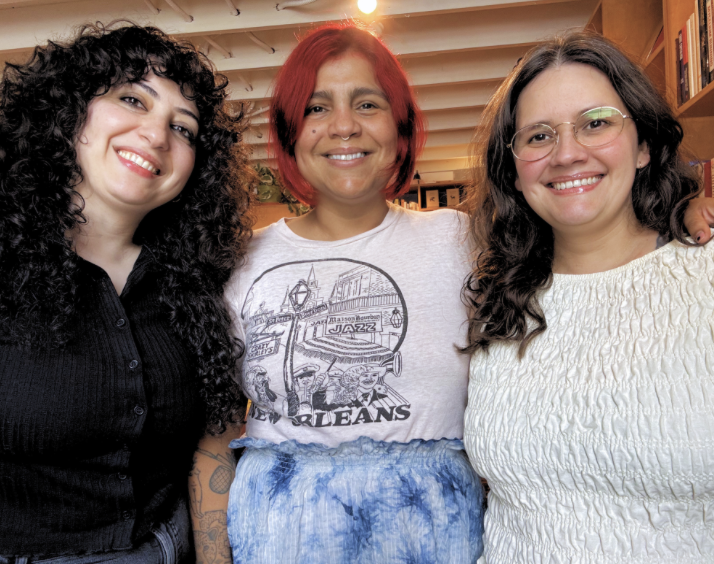
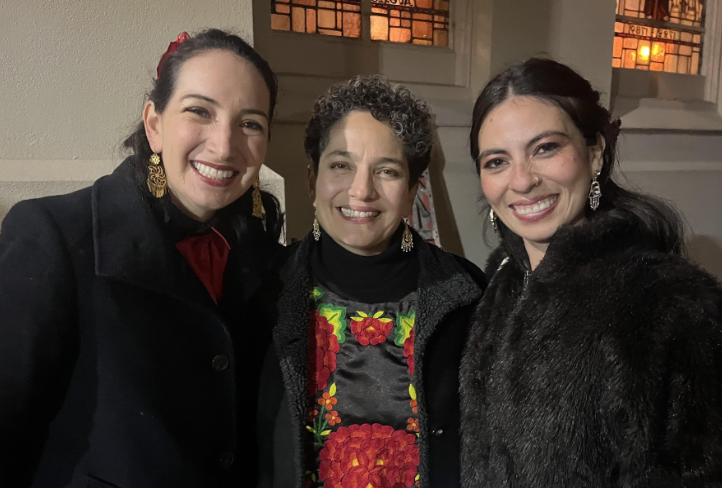
Sumaq Alvarado del Aguila, Cultural Strategist and Organizer
with: Magaly Colon Morales and Souraya Al-Alaoui
Sala Común: A Diasporic Study Series in Los Angeles
Los Angeles, CA
Sala Común is a recurring study gathering hosted at Ojalá, an independent bookstore in Northeast Los Angeles. It brings people together around a simple premise: to read, think, and converse with one another. Sala Común treats reading as a social practice and gathering as a form of care. The project grows with each gathering and will culminate in a zine and a digital archive that hold fragments of what was read, said, and felt.
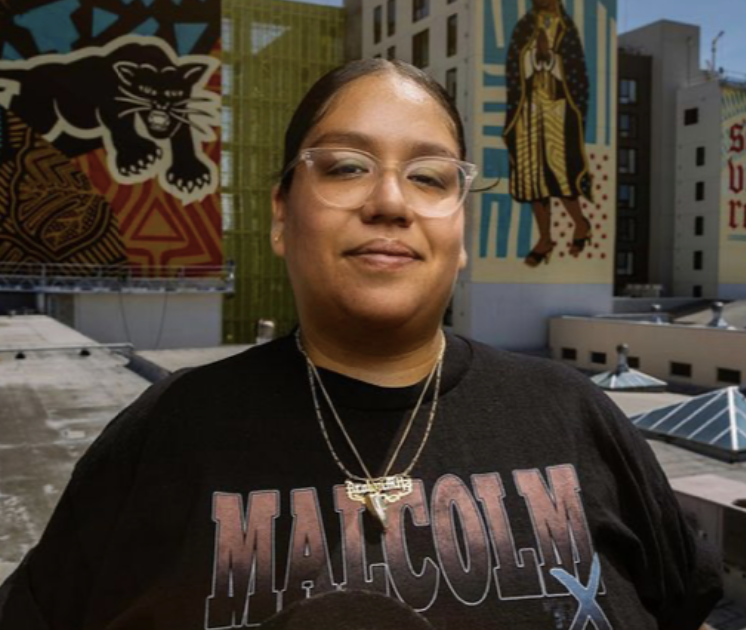
Elizabeth Blancas (she/her), Interdisciplinary Artist
We Keep Us Safe
Hayward, CA
We Keep Us Safe is a series of original artworks visually representing the people and stories of Hayward Community Coalition’s “We Keep Us Safe” initiative. The series will be created from oral history interviews with activist participants deeply committed to transforming themselves and their neighbors' lives in Hayward, CA. The project will culminate in a public exhibition for the community and a workshop for Hayward Community Coalition members.
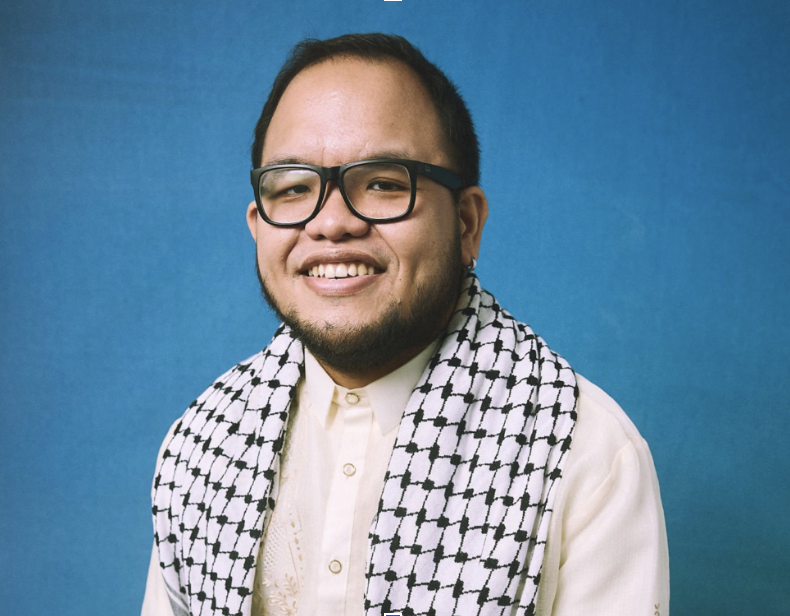
Set Hernandez, Filmmaker, Writer, and Community Organizer
Untitled Seafarers Project
Southern California and the Philippines
In partnership with the Pilipino Workers Center of Southern California, this project is a short documentary about Pilipino workers who have been deported, criminalized, and banned from the United States. By offering a glimpse into the daily lives of Filipino workers whose reputations were tarnished by false criminal allegations, this project hopes to reaffirm their innocence.
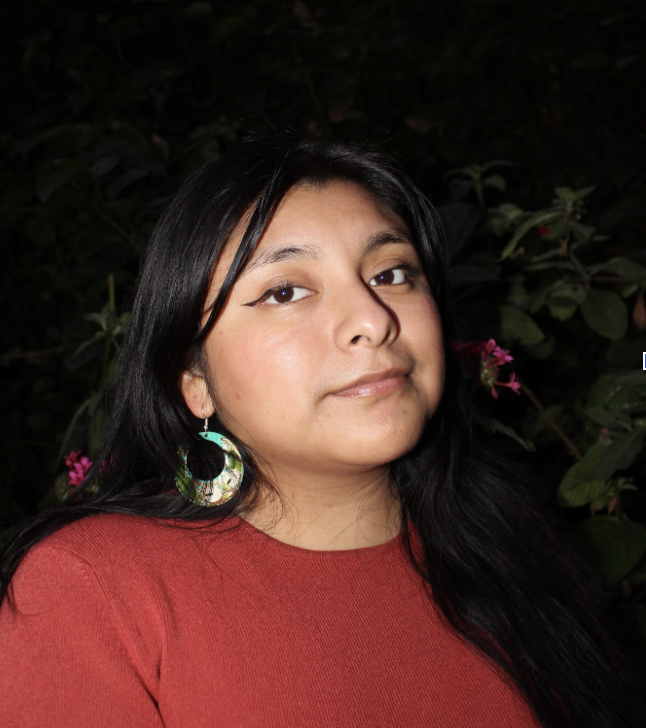
Flor Hernandez Zarate, Writer, Creative, and Founder of Cempazuchitl’s Library
Como Semillitas Floreciendo
San Diego, CA
Through a series of interviews, zine making, photography, and collage, this project will explore the experiences of Indigenous Zapotec and Mixtec farmworkers. Beyond sustaining the booming agricultural economy in California and the United States, they carry ancestral knowledge of food systems across borders. This documentation of the refusal to forget and the resistance to industrial agriculture will serve as a guide to the possibilities of a new food system rooted in respect for the land and its people. Flor lives and works on unceded Kumeyaay lands.
Activists and NGOs

Priority Africa Network (PAN)
Reimagining Refuge Through Sport, Culture, and Collective Care
Oakland, CA
The Afro Soccer Tournament and Healing Justice Gathering is a two-day, community-led event in Oakland designed to foster refuge, belonging, and collective power among Black immigrants and African American communities in response to rising anti-Black and anti-immigrant violence, policing, and systemic exclusion. Grounded in traditions of collective care, cultural expression, and grassroots organizing, the project uses soccer as a unifying cultural language to create an accessible and joyful space that brings together youth, families, and community members across the African and Caribbean diasporas. Engaging over 500 participants from across Oakland and the Bay Area, the project aims to expand access to critical resources, strengthen cross-diaspora solidarity, elevate youth leadership, and increase the visibility and organizing capacity of Black immigrant communities.
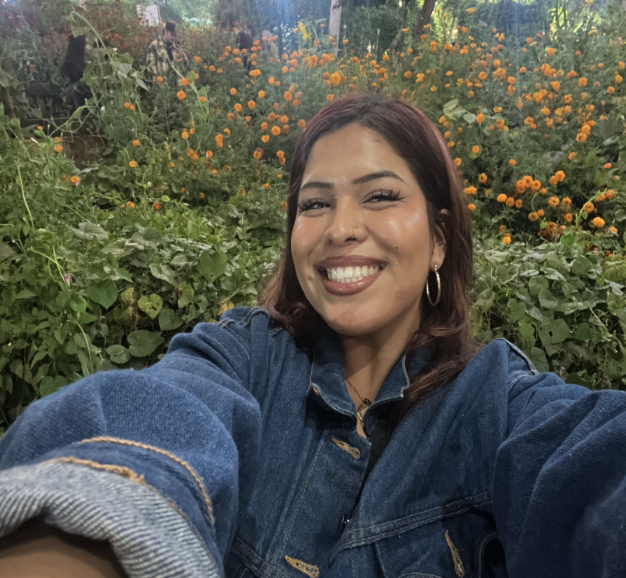
Bianca Isavella Diverde, Activist and Community Organizer
with: Perla Gonzalez Pioquinto, and Gina Habil
Day of Whimsy
Orange County, CA
The goal of this project is to reimagine what it means to support and embrace our immigrant communities. The purpose of the “Day of Whimsy” will be to celebrate the freedom and whimsical nature of children, and to reinvigorate the inner child of many people who had to grow up too soon. This project will directly reinvest into both immigrant and system-impacted community members, as well as the folks organizing in their own communities with care and intention.
Memories of El Monte Community Arts Space
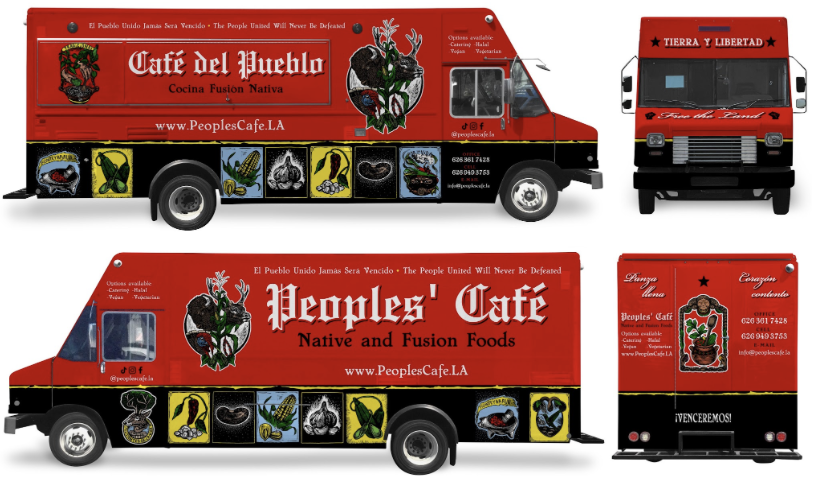
Peoples’ Cafe
El Monte, the San Gabriel Valley, and Greater East Los Angeles, CA
The Peoples’ Café is a food justice project based out of the Memories of El Monte Community Arts Space (MEM), a multifaceted community hub serving as a creative outlet and providing educational resources and holistic wellness services in Greater El Monte and the Puente Valley, located in the First District of Los Angeles County. Prioritizing economic and environmental justice, this project focuses on food distributions, reintroducing Native foods to combat hunger, and promoting healthy eating through education and advocacy.
Corazón del Pueblo
Corazón del Pueblo Photovoice Project, Phase 2
Santa Maria, CA
The Corazón del Pueblo Photovoice Project (Phase 2) is a community-engaged research and arts initiative that brings together UCSB-affiliated scholars, community organizers, and the cultural arts center Corazón del Pueblo, and migrant and Indigenous youth from farmworker families in California’s Santa Maria Valley to document and interpret lived experiences of migration, labor, and belonging. This project centers youth as knowledge producers who use visual storytelling and collective reflection to capture everyday realities shaped by agricultural labor, immigration regimes, and cultural resilience. Strengthening long-term community-based knowledge production and dialogue across academic, public, and policy audiences, this project reimagines refuge beyond policy frameworks, highlighting how belonging is created through community, creativity, and care.
Joyce Xi, Community Photographer and Activist
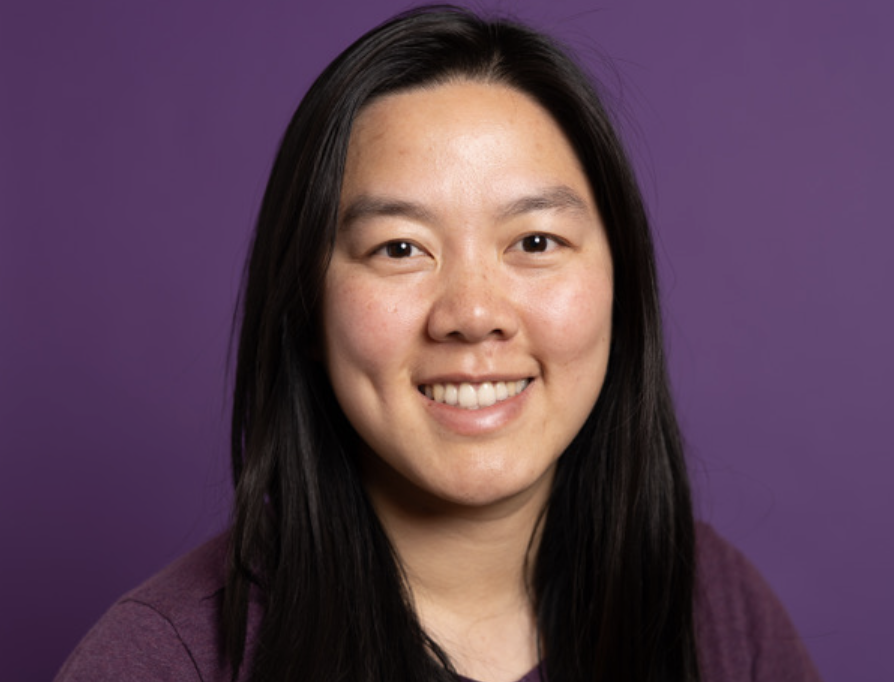
Seeking Refuge, Dreaming of Freedom- a Visual Diary
Bay Area, CA
“Seeking Refuge, Dreaming of Freedom- a Visual Diary” is a photography and multimedia art project- a “visual diary”- of stories and reflections of people directly impacted by the US immigration system, and the on-the-ground organizing and activism to stop family separation and deportations, close inhumane ICE facilities, and create a more just future. The project will be created in collaboration with California-based immigrant rights organizations and impacted community members.
Graduate Students
Victoria Ciudad-Real, PhD Candidate in Sociology, University of California, Irvine
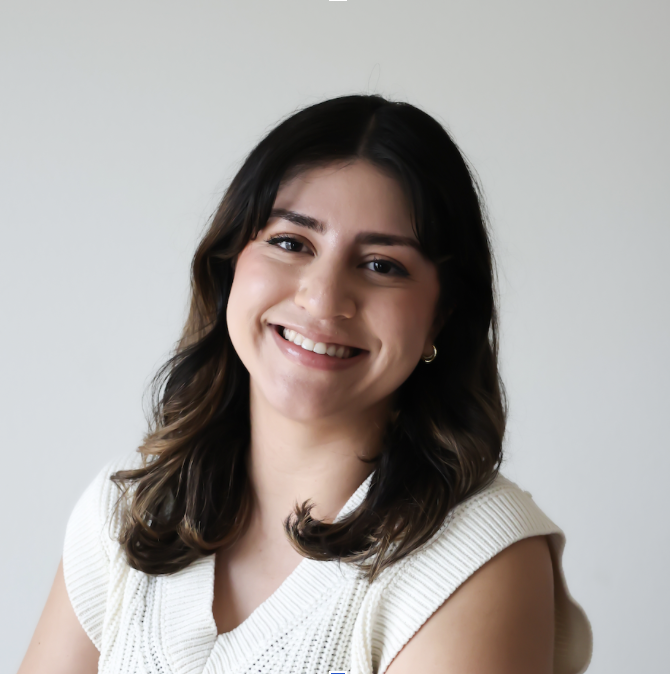
Claiming Home: Latine Immigrant Tenants and the Production of Refuge
Santa Ana, CA
This project examines how immigrant Latine renters navigate housing insecurity and legal precarity. The study highlights how immigrant renters pursue dignity, stability, and belonging—and invites participants to imagine and draw their “ideal home” to articulate their dreams and reclaim their agency.

Nardos Darkera, DrPH Candidate in Public Health, University of California, Berkeley
Refuge Within: African Refugee Young Women Defining Mental Well-Being
San Francisco Bay Area, CA
This project centers African refugee and asylum-seeking young women in the Bay Area as co-researchers in a community-based study of mental well-being, identity, and belonging. In partnership with Soccer Without Borders Bay Area, participants use Photovoice to document, on their own terms, how they build and sustain refuge within their communities.
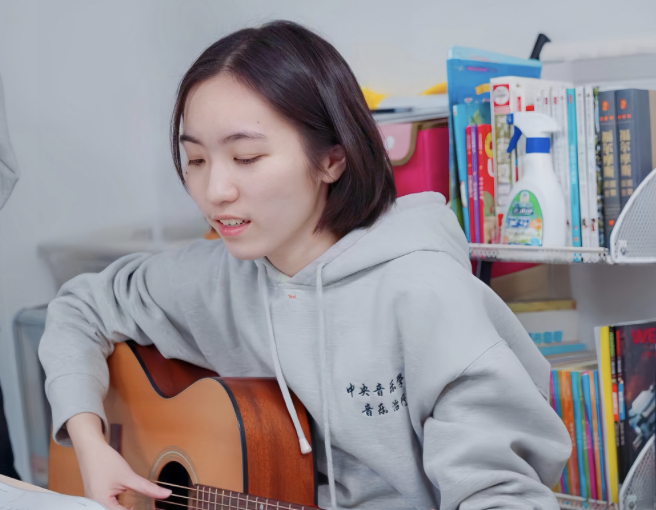
Diandian Zeng, Ph.D. candidate in Ethnomusicology, University of California, Santa Barbara
Aging with Music: Sonic Care and Cultural Well-being among Senior Chinese Immigrants in Los Angeles
Los Angeles, CA
Focusing on music, aging, and migration, my dissertation examines everyday music-making—including singing, dancing, music-choreographed exercises, and instrumental playing—among diverse Chinese immigrant elders in Los Angeles. Situated in community health and senior centers, I investigate how these musical activities function as forms of self, collective, and institutional care embedded in social infrastructures that support senior immigrants’ emotional, sociocultural, and physical well-being.
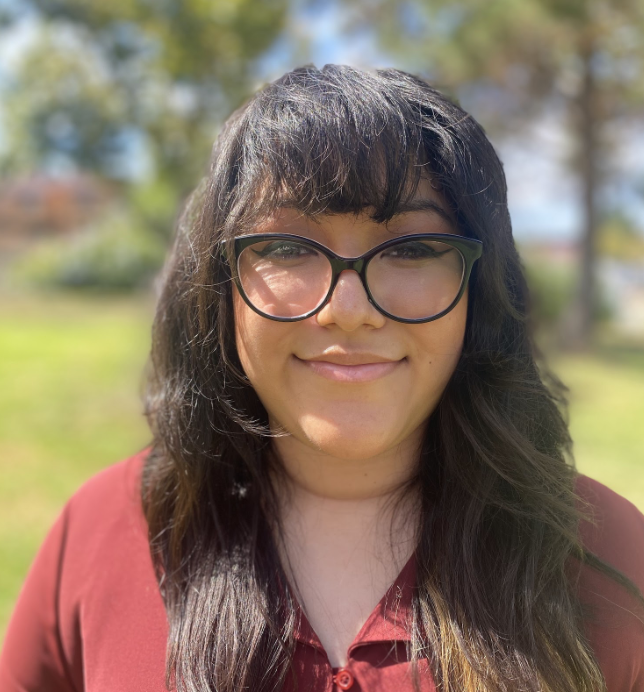
Alondra Espinoza, Ph.D. student in Sociology, University of California, Irvine
Day Laborer Centers as Spaces of Refuge and Collective Healing
Irvine, CA
This project aims to reimagine day laborer centers as spaces of refuge and collective healing, serving not only as sites for employment coordination but also as community-based sanctuary spaces that offer protection, collective care, and empowerment in the face of immigration enforcement and policing. By centering the lived experiences of Latino immigrant jornaleros through testimonios, this work explores how jornaleros continue to secure informal work despite threats from local law enforcement, security officers, and immigration enforcement.
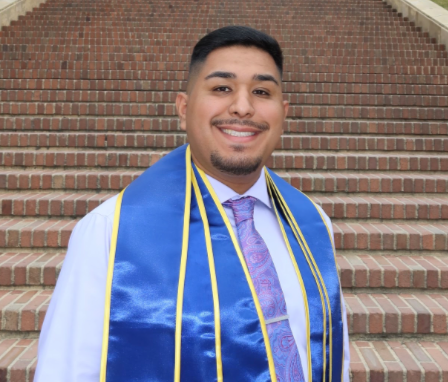
Marcos Magaña, Ph.D. student in Environment & Sustainability, University of California, Los Angeles
Lived and Embodied Heat Experiences: Reimagining ‘Thermal Refuge’ in a Hotter Future
Coachella, CA
This project examines how immigrant working communities in California’s desert regions, the Coachella and Imperial Valleys, experience and respond to extreme heat in their day-to-day lives. This project will further reframe heat as a deeply lived, embodied experience, shaped by cultural, social, and historical factors that together shape a person's perception of it. This not only pushes back against dominant technocratic understandings of heat but also gives agency to immigrant working communities who have endured and continue to endure extreme heat, positioning them as holders of key thermal knowledge for reframing what heat means in an ever-warming world.
Thomas Paniagua, Ph.D. student in the Interdisciplinary Humanities, University of California, Merced
Necro Racial Capitalism: Examination of Death and Labor in the California Borderlands
Central Valley, CA
This project examines the evolution of the race-based labor system in the California borderlands during the late nineteenth and early twentieth centuries, which tied whiteness to property ownership and nonwhiteness to exploited labor. While drawing upon Cedric Robinson’s concept of racial capitalism and Achille Mbembe’s necropolitics, this project argues that these interconnected systems produced a “Necro-Racial Capitalist” framework in which multiple governments and capital cooperated to racialize, criminalize, and in some cases, exterminate Indigenous, Chinese, Mexican, and other non-white communities. Rather than focusing solely on individual acts of racial violence, this project reframes violence as a structural institution to reveal a larger story of surveillance, policing, and violence that underpins the current U.S. immigration policy.
Faculty
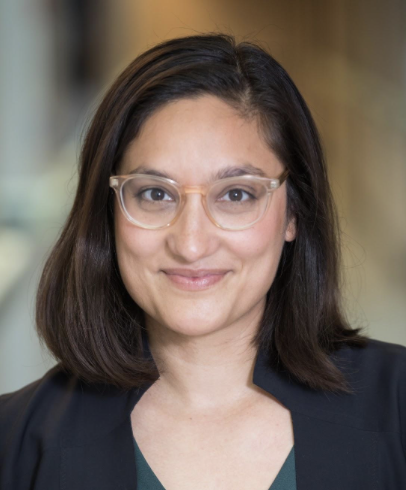
Triveni DeFries, Physician, Associate Professor, and Executive Director of Human Rights Initiative and Medical Director of Human Rights Collaborative, University of California, San Francisco
with: Cecilia Lipp, Laura María Calderón Cuevas, Martha Rodríguez-Salazar, Camellia Latta, and Jennie Renn
Resonant Refuge: Reimagining Refuge for Asylum Seekers Through Music
San Francisco, CA
Resonant Refuge is an interdisciplinary initiative that reimagines refuge for asylum seekers through the transformative power of music. Led by the UCSF Health and Human Rights Initiative in collaboration with community musicians and cultural partners, the project creates trauma-informed, participatory music workshops that foster healing, connection, and creative expression among immigrant communities. Through workshops, recording, and public performance, Resonant Refuge builds a space for collective voice and belonging—offering music as a form of internal refuge when safety and stability remain uncertain.
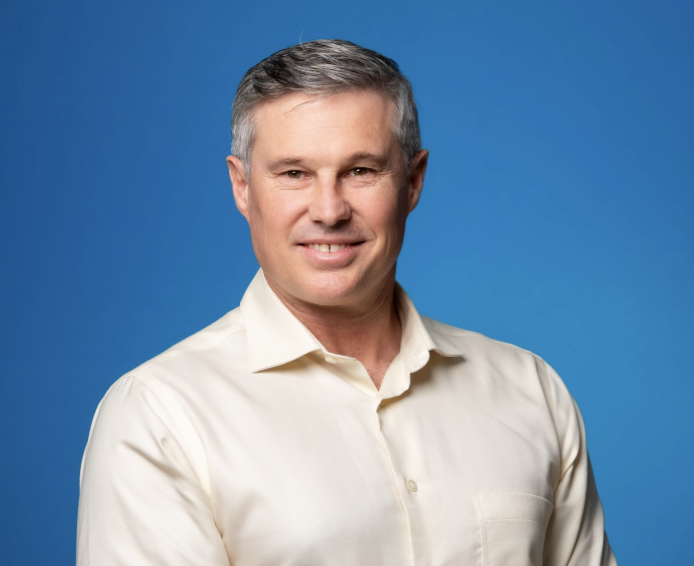
Kelly Nielsen, Director of the Center for Research and Evaluation (CR+E), University of California, San Diego
Crossing the Border for College: Documenting the Experiences of Binational Students
San Diego, CA
Crossing the Border for College is a mixed-methods research and storytelling project examining the experiences of binational students and families participating in California’s AB91, a pilot program that allows low-income Mexican nationals living near the U.S.-Mexico border to pay in-state tuition at California community colleges. Combining ethnographic film, interviews, and educational data, the project will contribute to a growing body of research on binational students and help inform educators and policymakers who can expand support for the many students who cross the border each day for school. By helping AB91 students create and share their story, Crossing the Border for College aims to show how binational education can serve as a form of refuge for people navigating binational lives.