❋
2025 Grantees
Reimagining Borders
Seed Grant Recipients
Artists
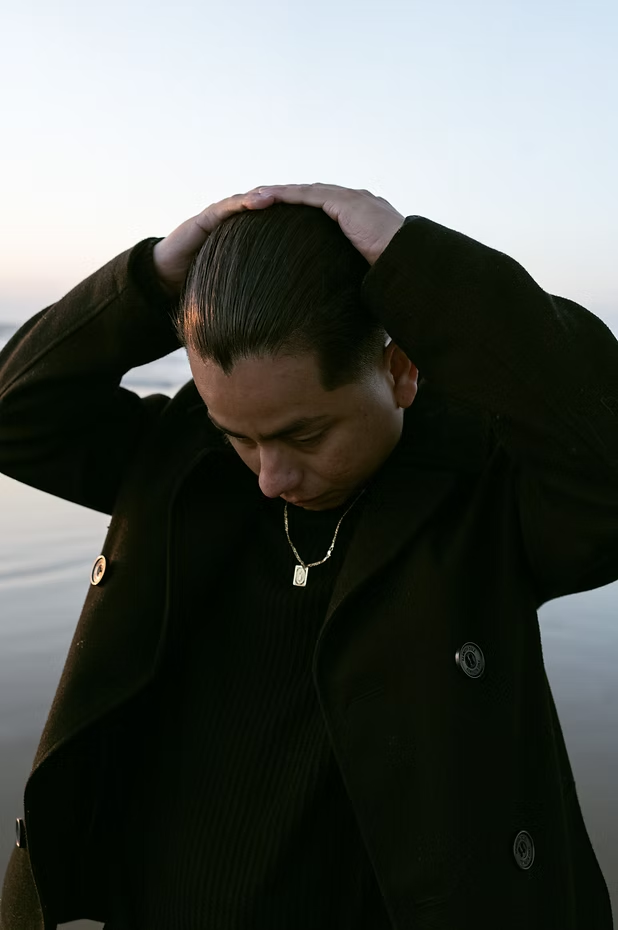
Francisco Aviles Pino, Writer and Producer
with: Becca Guzman, Victoria Valenzuela, and Ricardo Stanley
Crossing Back: An immigrant journalist goes back and documents the journey
Los Angeles, CA
This documentary follows Francisco, a journalist and DACA recipient, in a rush to submit his advance parole application to visit his dying grandfather in Mexico before the next administration, which has promised to end the program in months. As a DACA recipient, Francisco was brought to the United States from Acapulco Guerrero, Mexico, at the age of seven. Francisco has spent the last ten years in politics and journalism after attending UCLA.
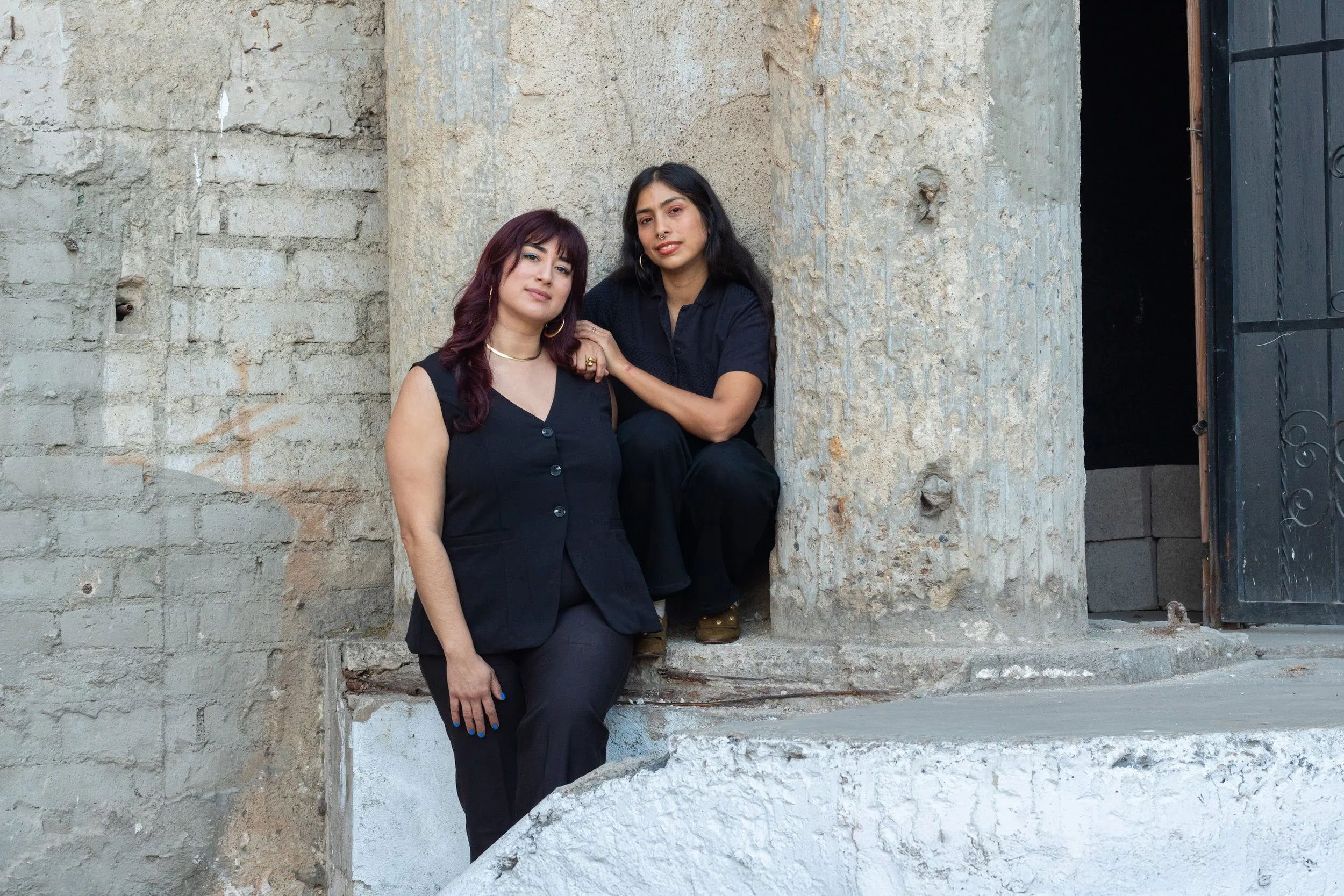
Diana Cervera, Director and Executive Producer; Magdalena Ramirez, Cinematographer and Editor
Mujer Mariposa
San Diego, CA
Mujer Mariposa is a feature-length documentary that follows three first-generation daughters of migrant and refugee women as they navigate life between cultures, languages, and homelands. Set across the Philippines, Eritrea, El Salvador, and the U.S., the film explores the emotional landscape of diaspora through personal journeys and archival memory. Created by two Transborder Chicana filmmakers rooted in the San Diego–Tijuana borderlands, the film reflects on intergenerational identity, U.S. imperialism, and belonging, offering an intimate portrait of women redefining home in the in-between.
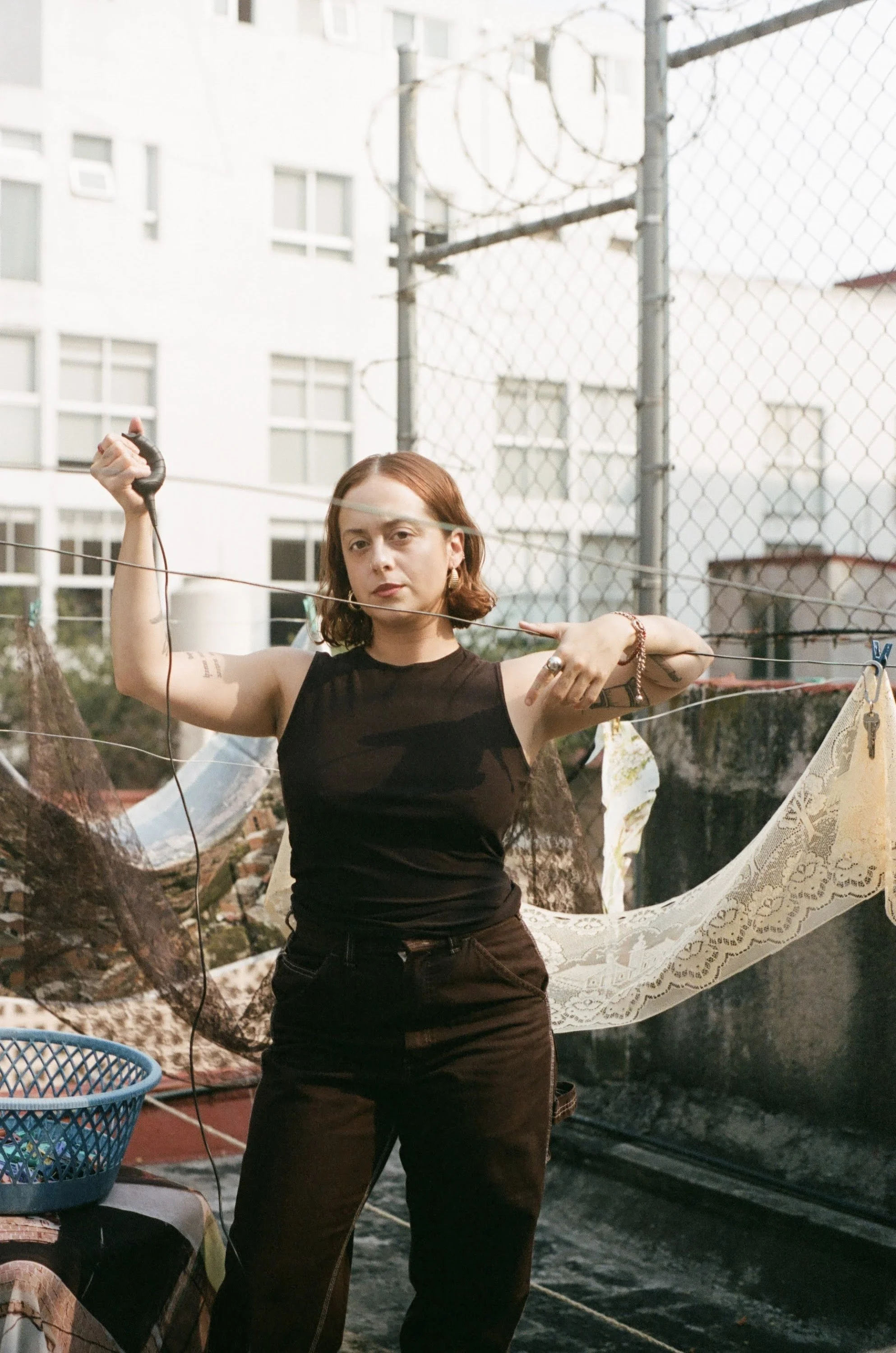
Paola de la Calle, Multidisciplinary artist
Alternate Maps
San Francisco, CA
Alternate Maps is a series of large-scale 2D textile artworks addressing borders, archives, and memory. The photo-based textile works take the form of traditional maps depicting alternate futures, delineating and obscuring borders, and plotting histories that have been erased and evaded. In this project, the map serves as a central component and guide, drawing on its historical significance as a tool for drawing lines of power, storytelling, and cultural preservation.
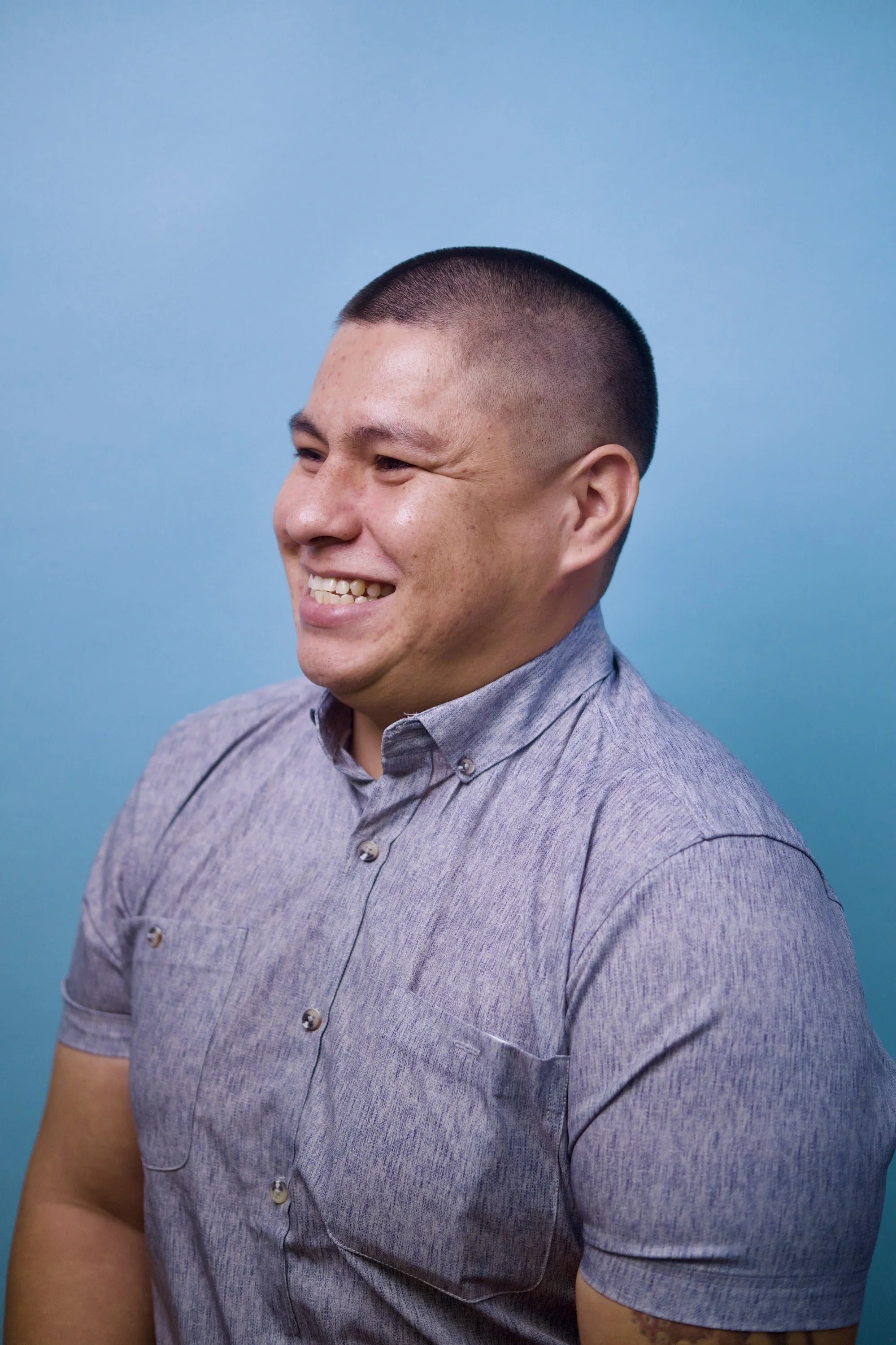
Sergio Ojeda, Binational Muralist and Lead Community Organizer, Imperial Valley Equity and Justice
Cultural Hotspot by the Border
El Centro, CA
This project aims to transform the public spaces near the border between Calexico, CA, and Mexicali, BC, into vibrant canvases that celebrate the rich cultural heritage of the borderlands. This initiative seeks to revitalize urban areas through public art created by binational teams of artists to foster a sense of community pride and cultural identity. By leveraging the power of public art, the project will narrate the stories and histories of the region, highlighting the resilience and creativity of its people.
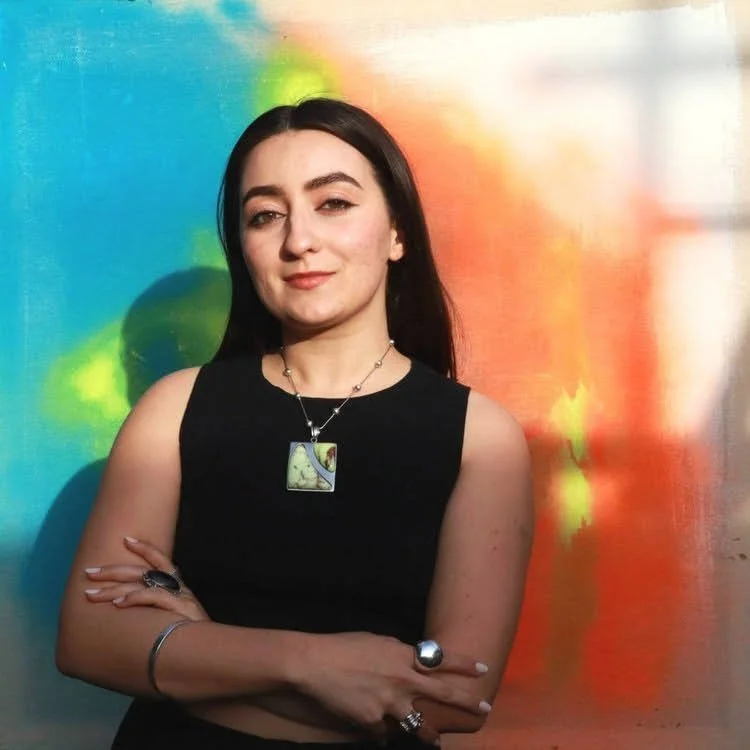
Natalia Ventura, Multimedia Artist and Organizer
Heavy Metals: A Border Alchemy Project
San Diego, CA and Tijuana, Mexico
Heavy Metals is a collaborative, artist-led project that reimagines refuge by transforming decommissioned pieces of the U.S.-Mexico border wall into artwork for collective healing. This initiative is part of Natalia Ventura's broader body of creative work, Border Alchemy, which aims to transform the border from a site of separation into a landscape for liberation.
Activists and NGOs
American Friends Service Committee, US-Mexico Border Program, project led by Danielle Cosmes, Human Rights Program Associate
Atestiguar: Witnessing and Accompaniment in San Diego's Open Air Detention Sites
San Diego, CA
The American Friends Service Committee, US-Mexico Border Program will create a short documentary film, as well as a written and photographic piece, commemorating the Solidarity Aid Station that has operated for nearly two years at the Whiskey 8 Open Air Detention Site in San Ysidro, California. The station, which has witnessed and accompanied thousands of migrants seeking safety from harm, is now in transition. We have not seen any migrants arrive at the station in the last month, and the area is likely to see an increased military presence in the coming weeks and months, making our presence as humanitarian workers and human rights observers all the more precarious. As we contemplate the possibility of closure, we find it crucial to create an archive of the community networks that were necessary to build and sustain the station for so long and of the stories of migrants who have passed through the station in their journeys hoping to reach safe haven in the United States.
Majdal, the Arab Community Center of San Diego
Neighborhood Solidarity Networks for Migrant Defense
El Cajon, CA
The Majdal Community Center supports immigrants, refugees, and asylum seekers by strengthening community-based protection and advocacy. Through partnerships with local organizations, Majdal played a key role in Neighborhood Solidarity Networks of trained community members who share know-your-rights information and provide rapid, coordinated responses to threats facing migrant communities, ensuring safety, dignity, and collective resilience.
Students Advocating for Immigrant Rights and Equity (SAFIRE)
UC Irvine Advocacy Community Empowerment (ACE) Program
Irvine, CA
The SAFIRE Advocacy Community Empowerment (ACE) Program is a two-quarter paid internship designed to provide professional development, mentorship, and financial wellness for undocumented students at the University of California, Irvine (UCI). Through this initiative, SAFIRE aims to address the financial and professional barriers that undocumented students face by creating an inclusive space for leadership development, advocacy engagement, and community building. By securing funding for this program, we can continue to provide this program to help our community succeed and develop the next generation of leaders advocating for immigrant rights and equity.
Graduate Students
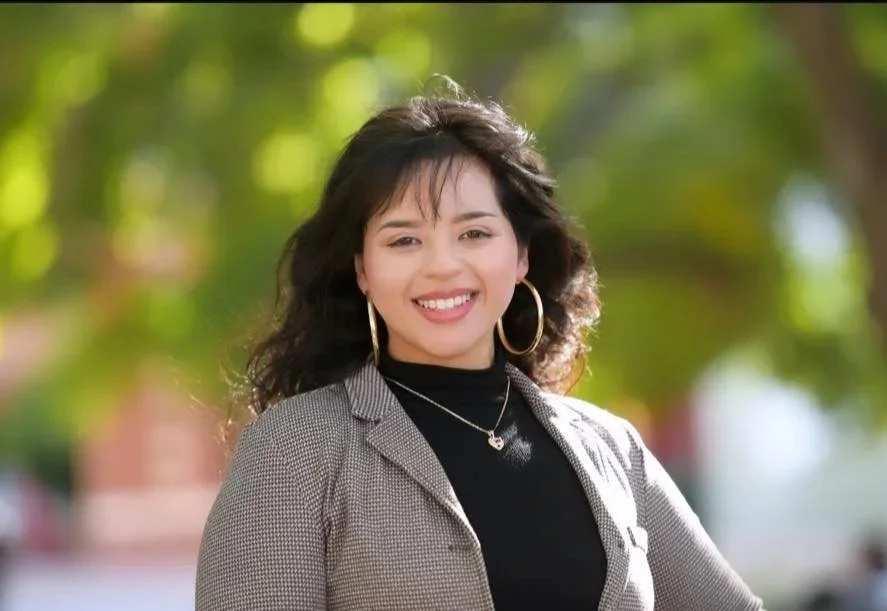
Jenni Martinez, PhD Candidate in Ethnic Studies, University of California, Riverside
Amordidas: Sensorial Regeneration Beyond the Wake of Deportation
Los Angeles, CA, Riverside, CA and Tijuana, Mexico
Through food-based and sensory methodologies, Amordidas re-materializes experiences of deportation that are often rendered invisible, translating intimate family practices into public humanities work. By foregrounding accompaniment, refusal, and ontological regeneration, the project challenges narratives of loss and social death, instead highlighting how families continue to create life, meaning, and presence in the aftermath of displacement.
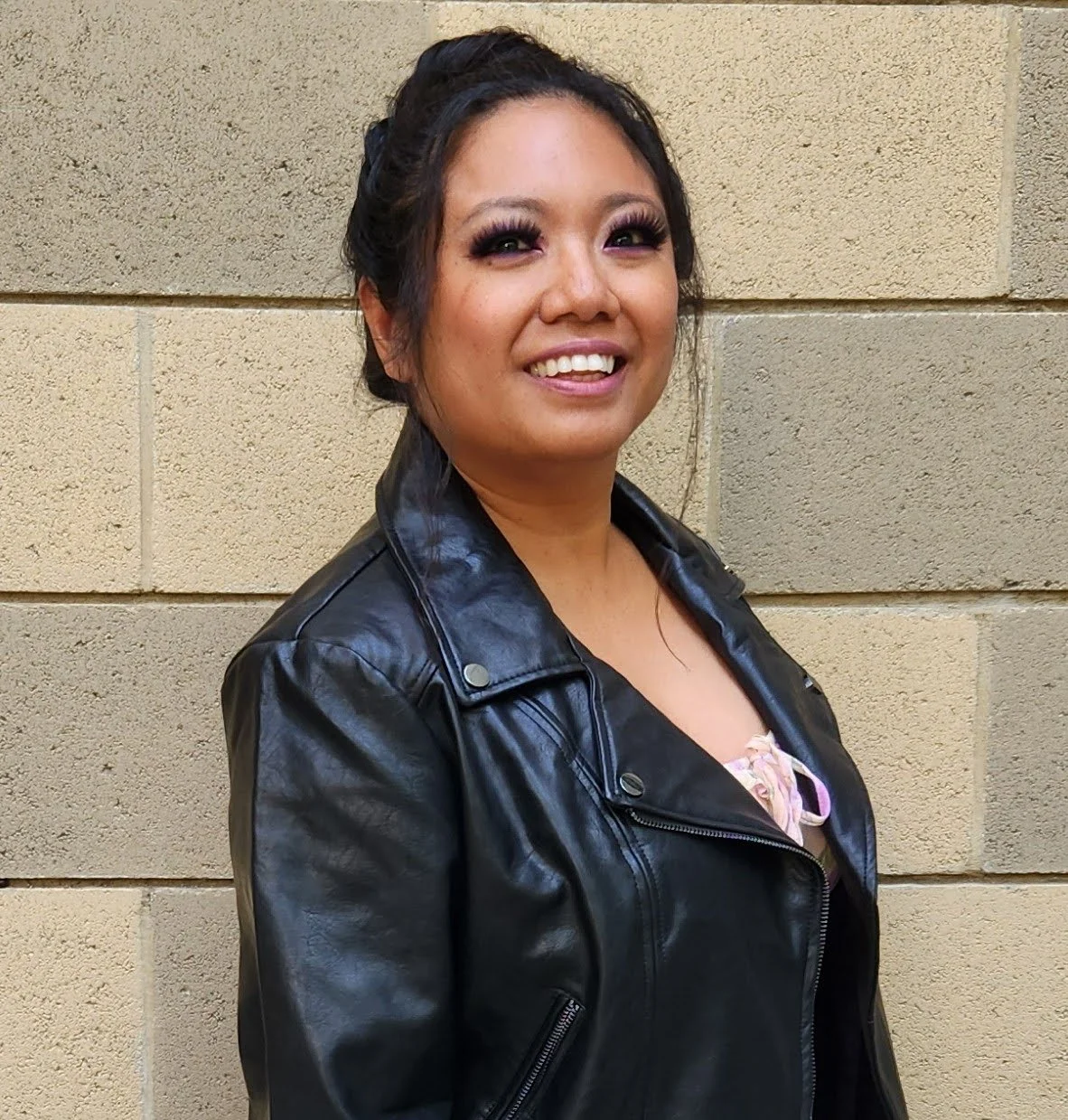
Amira Noeuv, PhD Candidate in Ethnic Studies, University of California, San Diego
How We Chea Our Scabbing Wounds: Cambodian American Healing Justice
San Diego, CA
This project considers how second-generation Cambodian Americans contend with experiences of transgenerational trauma by centering my research on transgenerational Khmer knowledge on (un)wellness and the concept of “chea”, which is the Khmer term for heal or healing. The study examines how this embodies healing justice, situating healing not only as necessary for survival but also as a pathway towards liberation from systemic harm.
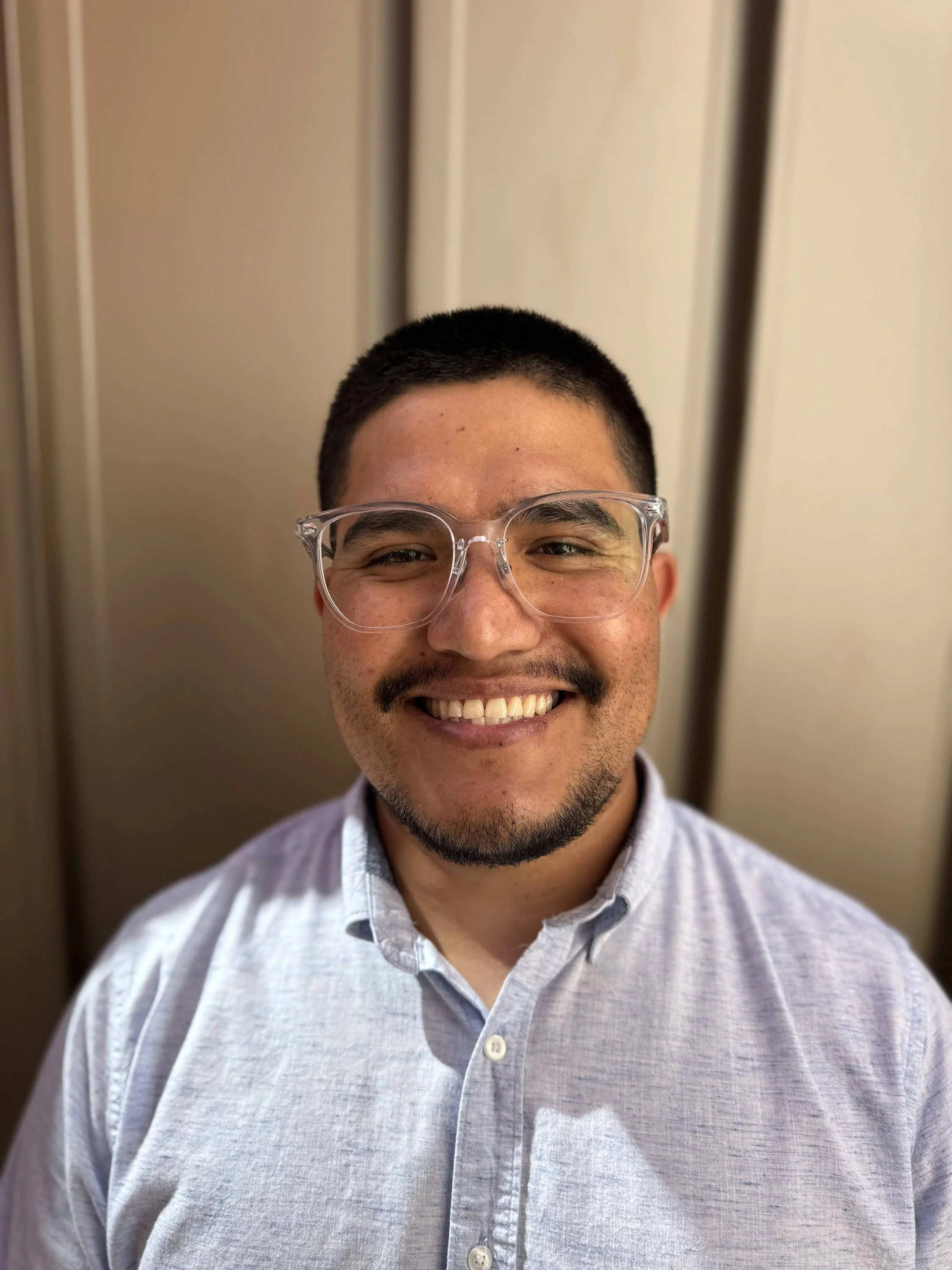
Guillermo Paez, PhD Candidate in Sociology, University of California, Irvine
Demolition Men: Precarity, Illegality, and Masculinity at a Latino Workplace
Irvine, CA
Demolition Men explores how undocumented migrant men navigate the informal and high-risk occupation of demolition. Paez draws on ethnographic and qualitative methods to research immigrant work life at the intersection of race, illegality, and gender.
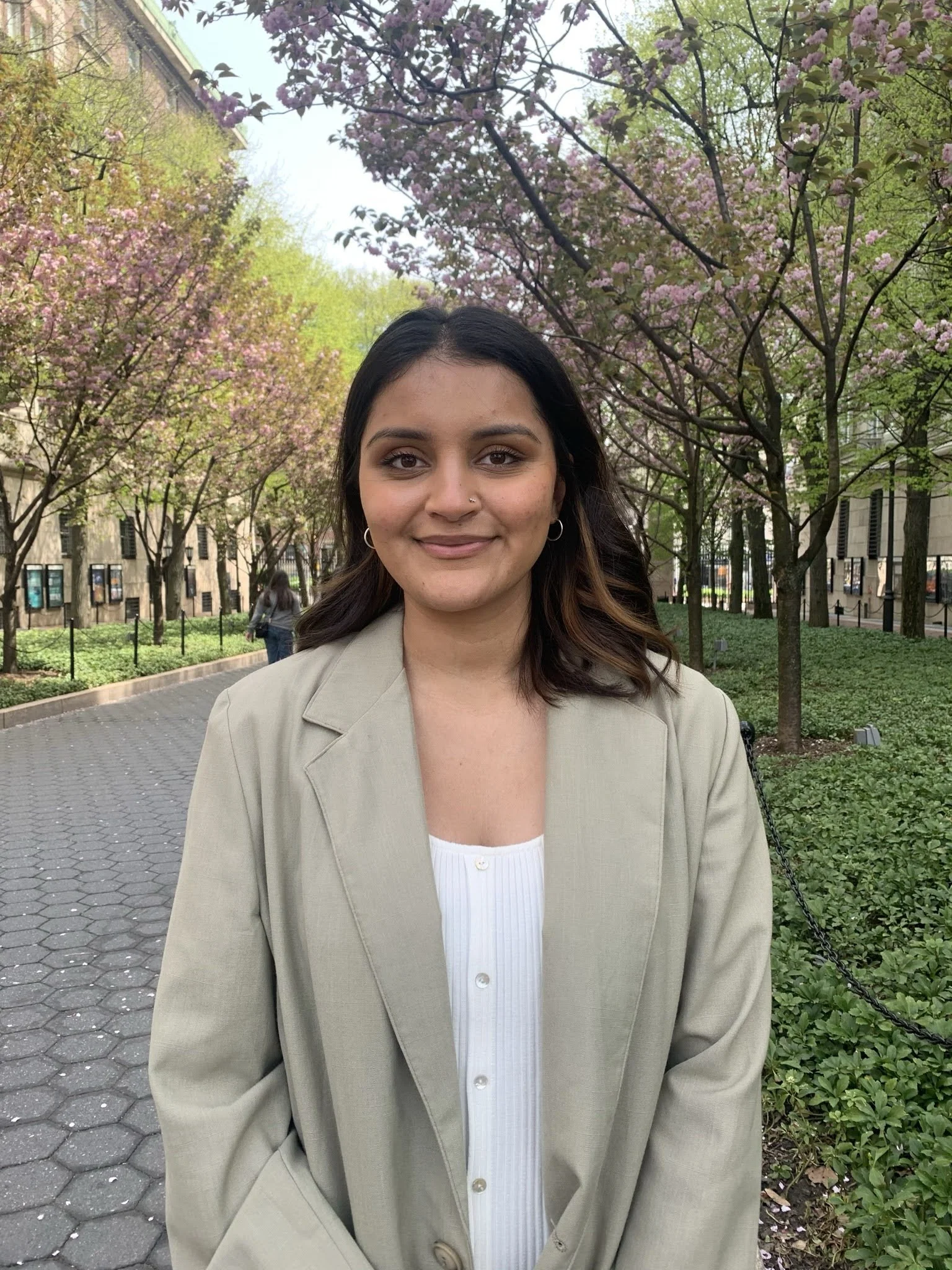
Durana Saydee, PhD student in Sociology, University of California, Los Angeles
The Most Deserving: Examining the Experiences of Afghans at the U.S.-Mexico Border
Los Angeles and San Diego, CA
This project is part of a larger doctoral thesis in which I examine the deep heterogeneity of Afghan migrants in the United States, using the experiences of this particularly “liminally legal” population as a way to better understand how variation in status type affects integration outcomes, access to goods and services, and public perception. In this first stage, I work directly with Afghan migrants who have entered the U.S. through the U.S.-Mexico border and are currently in removal proceedings in California immigration courts.
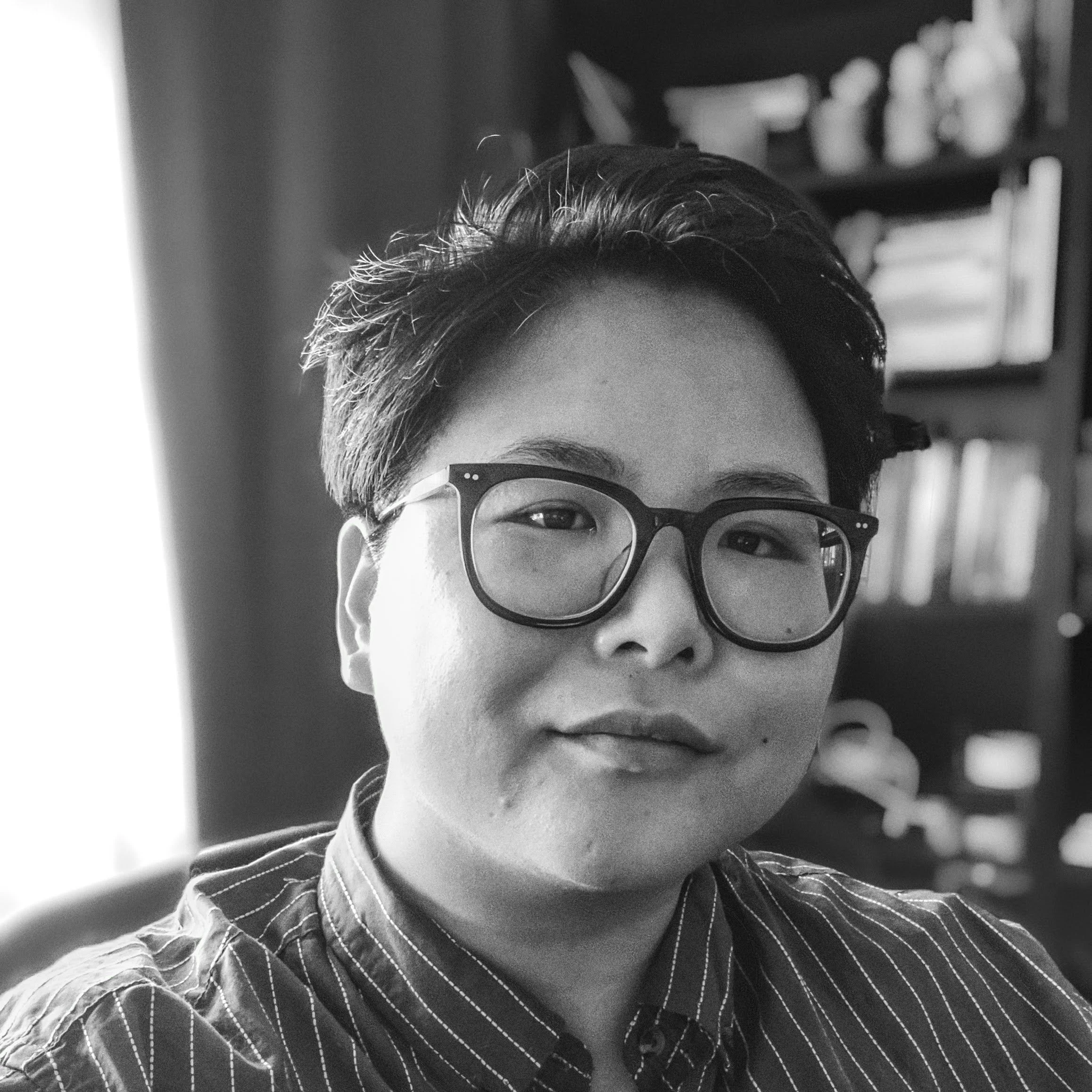
Phuc To, PhD Candidate in Ethnic Studies, University of California, San Diego
Trans* Refuge: Suturing Beauty, Intimacies, and Queer Kinships between Việt Nam and the Diaspora
Little Saigon, Los Angeles, CA
This project examines Vietnamese refugee women’s monetization of (re)productive, intimate, and often unpaid labor and spaces as a means to trace the material, affective, and relational structures of a queer and transient refuge that exists in the intimacies of the everyday and in excess of the precarious geography of resettlement and racialized violence.
Faculty
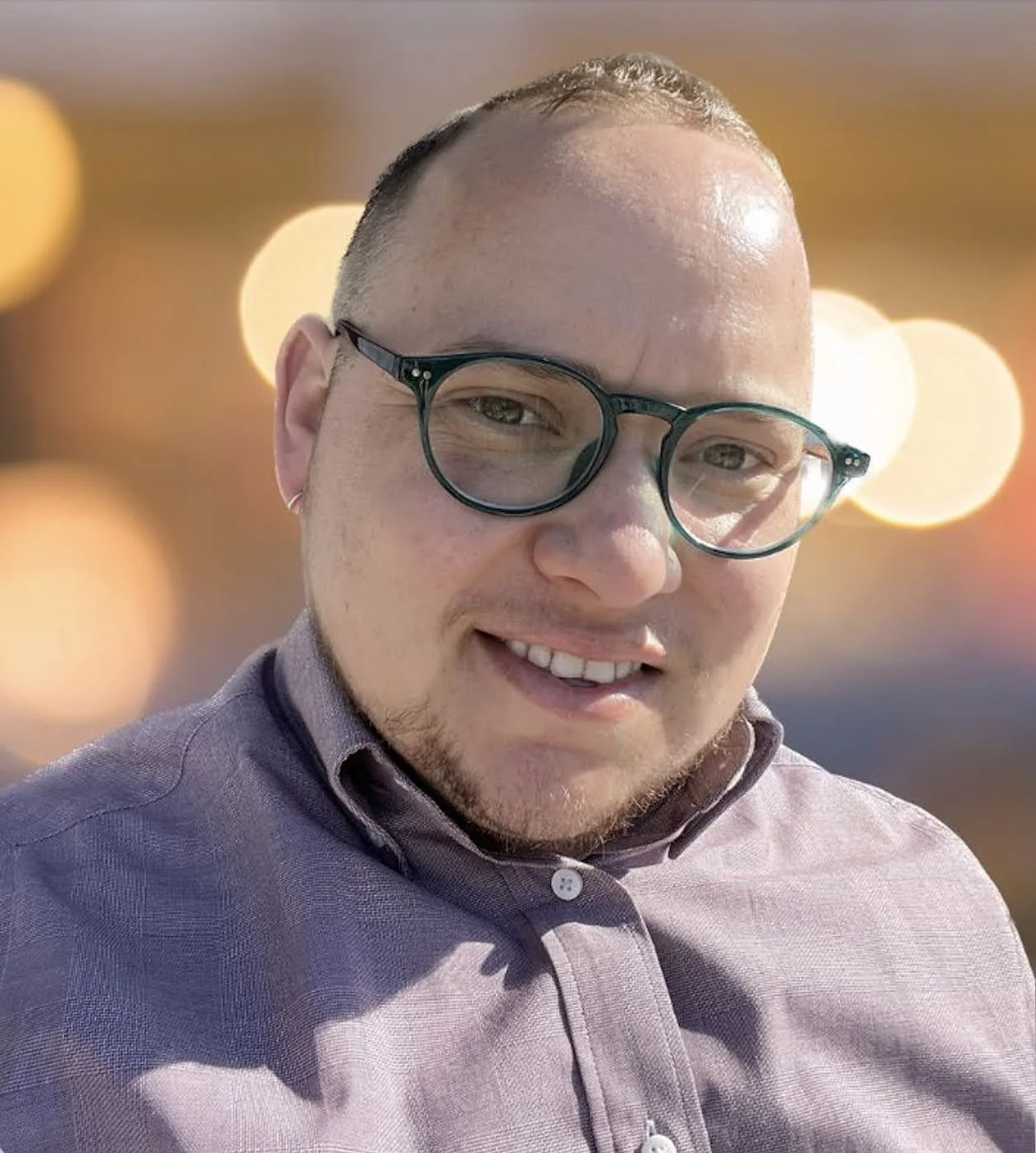
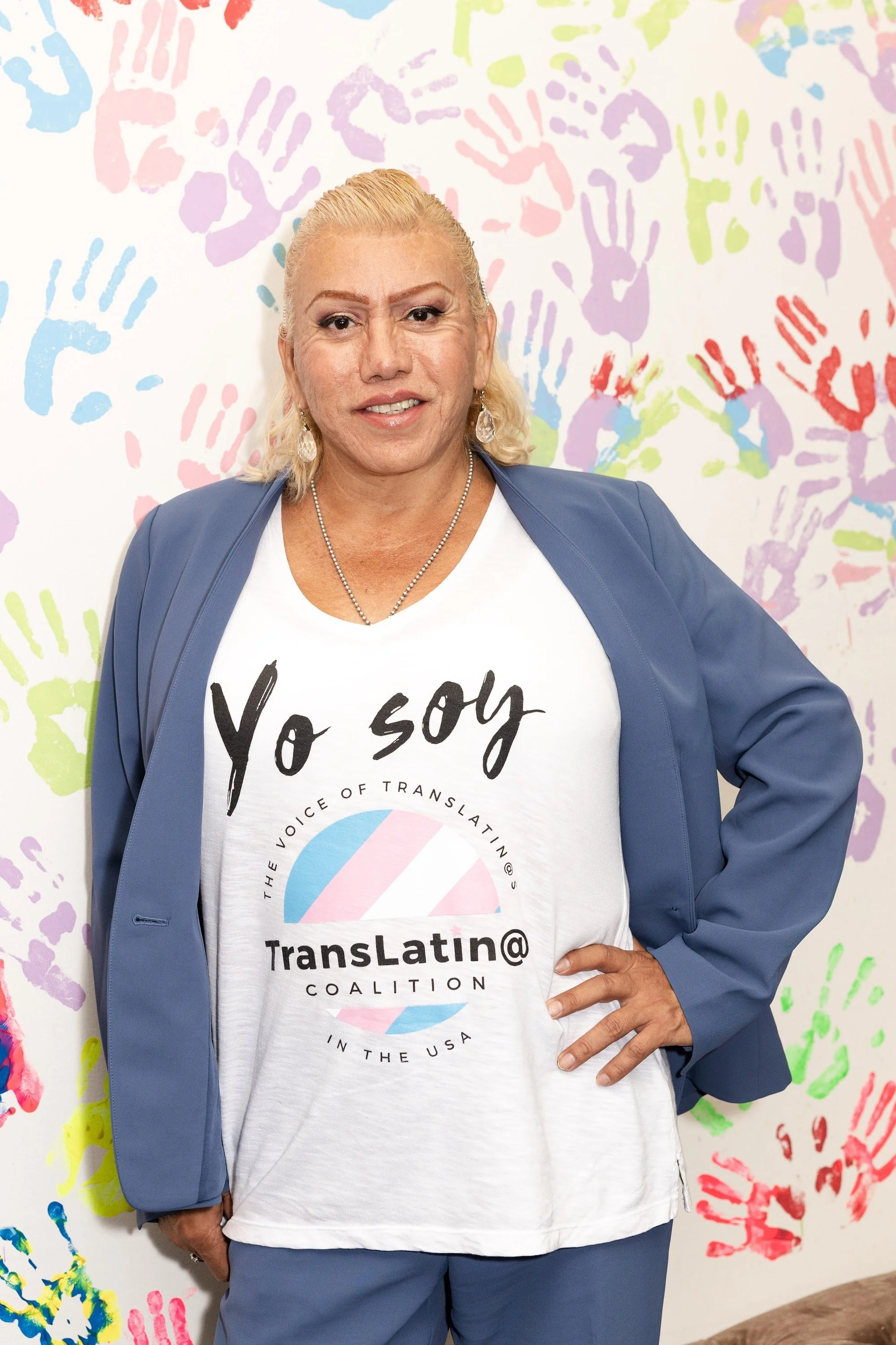
Jack Caraves, Assistant Professor of Gender and Sexuality Studies, University of California, Riverside and Bamby Salcedo, President & CEO, TransLatin@ Coalition
Diamonds of Resilience: Poetry of Aging Trans Immigrants
Los Angeles, CA
This project curates and publishes an anthology of poetry by 40 aging (40+) trans Latina immigrants and refugees—the “diamonds” of our community—whose lives reflect resilience forged across borders, binaries, and generations. The collection serves as a community-based artistic project and cultural archive, centering trans Latina elders amid ongoing criminalization and erasure.
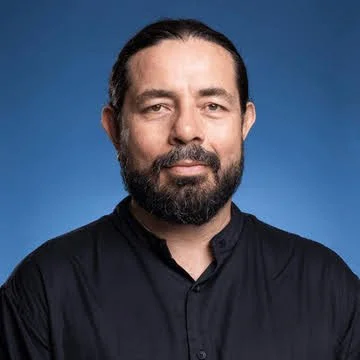
Omar Pimienta, Assistant Professor of Spanish and Portuguese, University of California, Santa Barbara
Welcome to Colonia Libertad; Coyote Epistemology and the Resource Guide for Deported People to Tijuana
Tijuana, Mexico and Santa Barbara, CA
This project consists of two interconnected components: a practical resource guide for deported individuals arriving in Tijuana and a critical book chapter that theorizes coyote epistemology as transborder knowledge. Together, they combine community-based research and cultural analysis to examine deportation, survival, and informal infrastructures shaping contemporary border life.
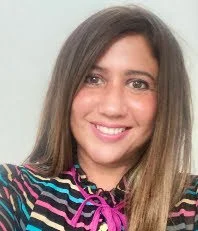
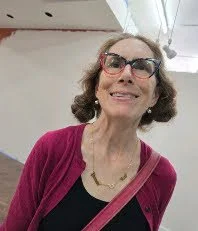
Nadia Villafuerte Vásquez, Assistant Professor of Literature, UC San Diego, Lorena Mostajo, Assistant Professor of Visual Arts, University of California, San Diego, and Amy Sara Carroll, Associate Professor of Literature, UC San Diego
11:11 Collective and Border Living Room Event
San Diego, CA
We are a collective of scholars (11:11) who believe in public culture, the ethics of hospitality, and art as expanded political practice. Our project is an all-day event in the style of a “movable feast” at Casa Familiar in San Ysidro/Alacrán Station in Tijuana (per the standing collaboration with UCSD professors Teddy Cruz and Fonna Forman from the Center of Global Justice). The all-day event will include workshops on poetry, performance, art-craft, and collaborative cooking. The event will culminate with a “fiesta” (music and food). We also aim to publish a multilingual zine (under a Creative Commons license) to document the event’s outcomes.